GEO, AEO, LLMO and AI SEO: What the Terms Mean
Growthclan Team ·
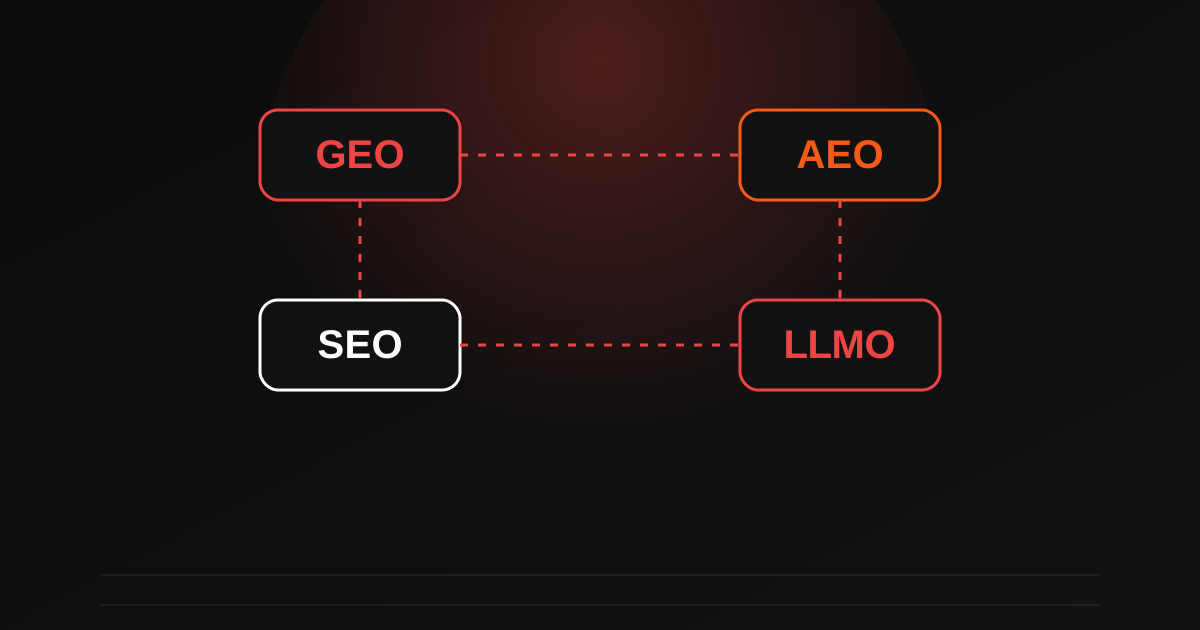
GEO (Generative Engine Optimization), AEO (Answer Engine Optimization), LLMO (Large Language Model Optimization) and AI SEO all describe, with different nuances, the same goal: getting a brand into the answers generated by AI engines such as ChatGPT, Perplexity, Gemini, Copilot and Google AI Overviews. They are not separate disciplines: they are different names for work that starts from SEO and adds measurement and content designed to be cited.
What does each acronym mean?
GEO – Generative Engine Optimization. The term popularised by a 2023 research paper on “generative engines”. It means optimizing to be chosen, named and cited in AI-generated answers.
AEO – Answer Engine Optimization. Born for engines that give an answer instead of a list of links: first featured snippets and voice assistants, now AI assistants. It stresses direct, structured answers.
LLMO – Large Language Model Optimization. Focuses on the language models themselves: what they “know” about a brand and how they describe it.
AI SEO / LLM SEO. More commercial labels, often used for the same thing: SEO extended to AI-powered search.
What is the practical difference?
Very little. Good work, whatever you call it, includes:
- a technical audit so AI engines can read the site (see the 10-point AEO audit);
- choosing the questions buyers ask;
- measuring the answers over time: mentions, position, share of voice, cited sources;
- content that answers directly and work on the external sources AI engines use;
- a report that turns it all into concrete decisions.
We explain the relationship with classic SEO in GEO vs SEO: what changes and why you need both.
What does “indexing on ChatGPT” mean?
It is a phrase you hear a lot, but ChatGPT doesn’t work like Google: there is no Search Console to submit your site to. Pages reach the answers in two ways: through the web search ChatGPT runs at the time of the question, and through what the model learned in training. “Getting indexed on ChatGPT”, in practice, means making your pages findable and readable by search systems and AI crawlers, and getting them cited. More in how a brand ends up in ChatGPT’s answers.
What should you ask a GEO or AEO agency?
- Which AI engines do you measure? Only ChatGPT, or also Perplexity, Gemini, Copilot, Google AI Mode and AI Overviews?
- How often do you measure, and for which countries and languages?
- Which metrics do you report, and how do you connect them to leads and sales?
- How do you find the sources you need to get cited?
- What can’t you guarantee? (The right answer: nobody controls what AI engines say.)
Our GEO service answers all of these with daily data and a monthly report. You can start with the free AI visibility audit.
Frequently asked questions
Are GEO and AEO the same thing?
In practice they are very close. AEO was born for engines that give direct answers, GEO for generative engines like ChatGPT and Perplexity. Today the two terms describe almost the same work.
Is there such a thing as indexing on ChatGPT?
Not as on Google: there is no form to submit your site. ChatGPT finds pages through web search and what it learned in training. The work is about being found, read and cited.
Which term should I use with my team?
Whichever your team understands best. What matters is defining the goal, being named and cited in AI answers, and measuring it with clear metrics.